Limitation Clauses at the African Regional Human Rights System and Tanzania: Reflection of Judicial Decisions
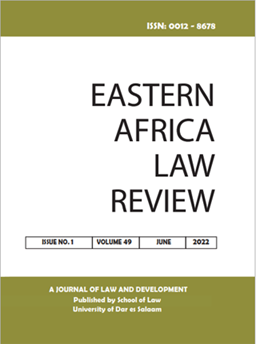
The Eastern African Law Review
##common.published##: October 09, 2022
163
Article Views
All time
430
Downloads
All time
0
Citations
Source: OpenAlex
Activity (views + downloads) over time
Citations by year
No citation data available yet.
Abstract
Enjoyment of fundamental human rights asguaranteed by the African Charter or Constitution ofTanzania is subject to limitations which are set outby the ordinary law made by parliament. However,case law has demonstrated that no provision of thelimitation clause in the African Charter orConstitution may be interpreted as permitting a Stateto suppress enjoyment or exercise of the rights andfreedoms to a greater extent than reasonablyrequired. Which tests or criteria should guide thecourt or other authorities depends on the instrumentin question. Both the African Charter and theConstitution of Tanzania do not have clearer guidingcriteria.Courts have attempted, nevertheless, to come upwith criteria or tests by borrowing from international,other regional and domestic human rights systems.This article reviews case law from the African Courtand Tanzania and finally proposes the adoption ofthe three-tier test in resolving tension when at issue before the Court is whether or not a legislation orconduct is saved by Article 30(2) of the Constitutionwhich allows limitation of human rights. The benefitof adopting this approach would enable domesticcourts to be consistent when deciding human rightspetitions.Key Words: Limitation Clauses, Claw-back clauses, proportionalityprinciple, necessary in a democratic society.